Why grooming frequency matters
Every dog needs regular grooming, but there is no single answer that fits every breed. The right schedule depends on how fast your dog's coat grows, how much it sheds, and what kind of life your dog leads. A dog that spends time outdoors in the grass and dirt will need more frequent baths than one that mostly stays on the couch. Getting the schedule right keeps your dog comfortable and keeps their skin and coat healthy.
Grooming is not just about looks. Regular brushing removes loose hair and dirt before they can cause problems. Bathing keeps the skin clean and free of irritants. Nail trims prevent overgrowth that can make walking painful. When you groom on a regular schedule, you also get a chance to check for lumps, cuts, or skin issues early. That makes grooming part of your dog's overall health care, not just a cosmetic routine.
Coat type sets the baseline
Your dog's coat type is the biggest factor in how often they need grooming. Short-haired breeds like Beagles or Boxers typically need a bath every few months and a good brushing once a week to control shedding. Double-coated breeds like Huskies or Golden Retrievers shed heavily twice a year and need more frequent brushing during those times to remove the loose undercoat. Without it, the dead fur can trap heat and moisture against the skin.
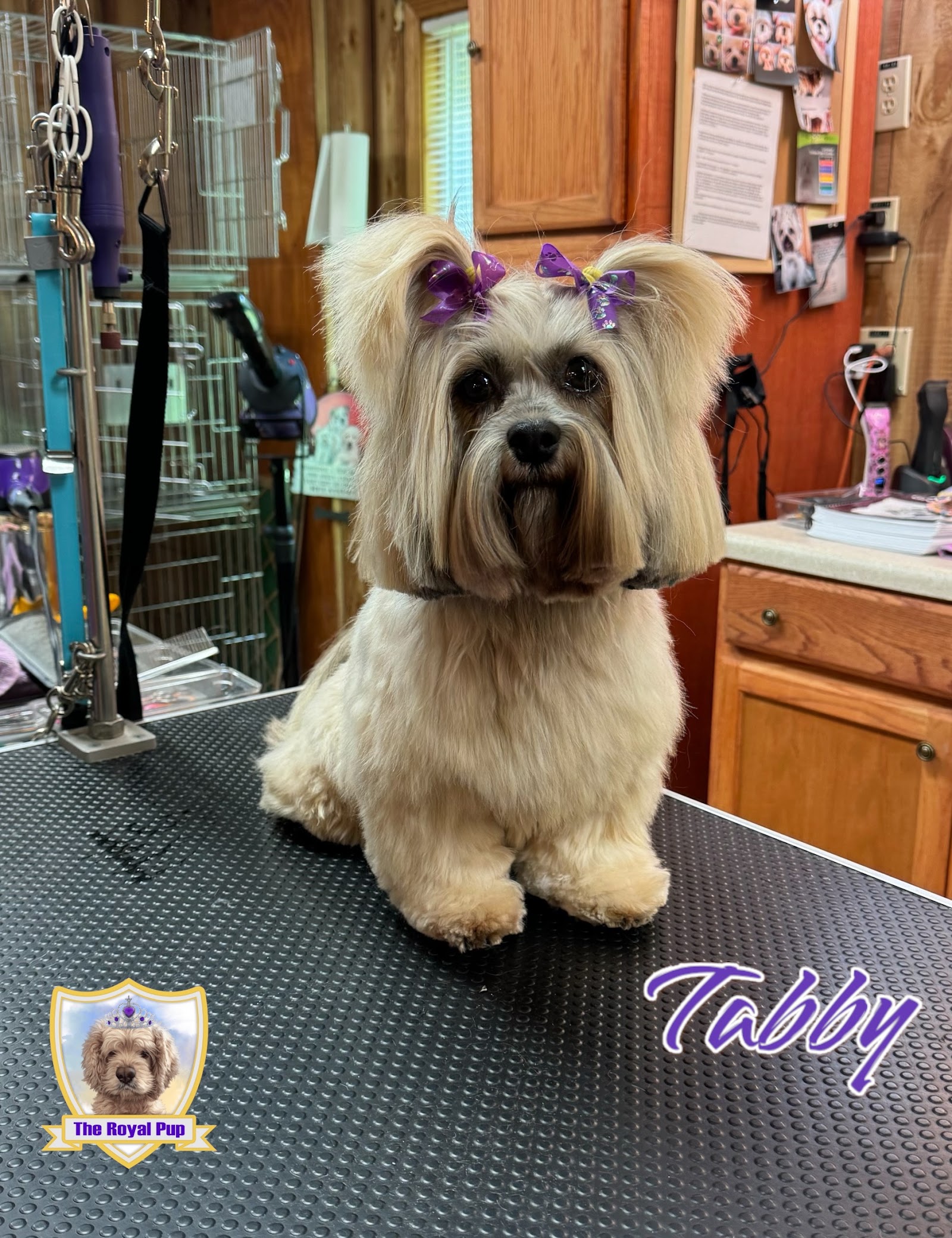
Long-haired and curly-coated breeds are a different story. Poodles, Shih Tzus, and Bichons have hair that keeps growing and can mat quickly if not brushed daily. These breeds need professional grooming every four to six weeks to keep the coat at a manageable length and prevent painful mats from forming. Wire-haired breeds like Schnauzers need regular hand-stripping or clipping to keep their coat texture right. Knowing what kind of coat your dog has tells you how much work it will take to keep it healthy.
Lifestyle and activity level
What your dog does every day matters as much as their breed. A dog that hikes through mud, swims in ponds, or rolls in the grass will need more frequent baths than a dog that mostly stays indoors. Dirt and debris can irritate the skin and cause itching if left too long. If your dog has allergies or sensitive skin, they might need a gentler shampoo and more frequent bathing to soothe the irritation. Your groomer can recommend a routine that matches your dog's habits.
Seasonal changes also affect how often your dog needs grooming. During shedding season, more brushing sessions help keep the loose fur under control. In wet or muddy months, more baths keep your dog clean and prevent mats from forming in damp fur. In dry months, your dog's skin might need extra moisture, and a bath with a conditioning treatment can help. Pay attention to how your dog's coat changes with the weather and adjust your grooming schedule accordingly.
Signs it is time for a groom
Even with a set schedule, your dog will tell you when they need attention. If you can no longer see the skin when you part the fur, or if the coat feels greasy or smells strong, it is time for a bath. If you feel any mats or tangles when you run your hands over your dog, brushing alone may not be enough, and a professional groom can remove them safely. If your dog's nails click on the floor, they are too long and need a trim.
Pay attention to your dog's behavior during grooming. If they start scratching more than usual, licking their paws, or rubbing against furniture, their skin might be irritated. If you notice redness, flaking, or bald spots, mention it to your groomer so they can adjust the products they use. Regular grooming keeps these issues from becoming serious problems. When in doubt, it is better to book a groom a little early than to let a small issue turn into a bigger one.
Building a routine with your groomer
The best grooming schedule is one that works for you, your dog, and your groomer. Start with a consultation to discuss your dog's breed, coat type, and lifestyle. Your groomer can suggest a frequency for baths, haircuts, and nail trims based on your dog's specific needs. For most dogs, a full groom every four to six weeks keeps the coat healthy and manageable. Some breeds with low-maintenance coats can go longer between grooms.
Book your appointments ahead of time so you stay on schedule. When you bring your dog in, tell the groomer about any changes since the last visit, such as a new skin condition, a change in diet, or a recent encounter with a skunk. After the groom, ask what they noticed about your dog's coat and skin, and follow their advice for at-home care between visits. A consistent routine makes grooming easier for everyone and keeps your dog looking and feeling their best.